


Plainville homeowners who want lower heating bills and a more comfortable home this winter should start with two numbers: U-Factor and Solar Heat Gain Coefficient (SHGC). These are the metrics that actually determine how well a window performs in Massachusetts winters, and getting them right matters far more than picking a popular brand. ENERGY STAR certified windows for the Northern Climate Zone can save a typical Massachusetts household $101 to $583 annually compared to single-pane models. Here are the most practical window upgrade tips for Plainville homes:
- Check U-Factor first. For Massachusetts, target a U-Factor of 0.27 or lower. The lower the number, the less heat escapes through the glass.
- Match SHGC to window orientation. South-facing windows benefit from a higher SHGC to capture winter solar heat. North-facing windows need the lowest U-Factor you can afford, since they get almost no direct sun.
- Seal before you replace. Weatherstripping and caulking around existing frames often deliver immediate comfort gains at a fraction of replacement cost.
- Verify ENERGY STAR Northern Region certification. Massachusetts falls in the Northern Climate Zone, and only windows certified for that zone qualify for Mass Save rebates.
- Pull a permit. Window replacement in Plainville typically requires a building permit under 780 CMR Section 105.1. Skipping this step creates real liability when you sell.
- Hire local. A contractor familiar with Plainville’s building department and Massachusetts code moves faster and avoids costly re-inspections.
Pro Tip: Schedule your Home Energy Assessment through Mass Save before buying anything. The assessment determines which windows qualify for rebates and whether air sealing must happen first.
What window types work best for Massachusetts homes?
Massachusetts winters are not forgiving, and the Northern Climate Zone designation from ENERGY STAR sets a clear performance floor. The state guidance on energy-efficient windows specifically recommends prioritizing U-Factor and SHGC metrics matched to your home’s orientation and local climate conditions.
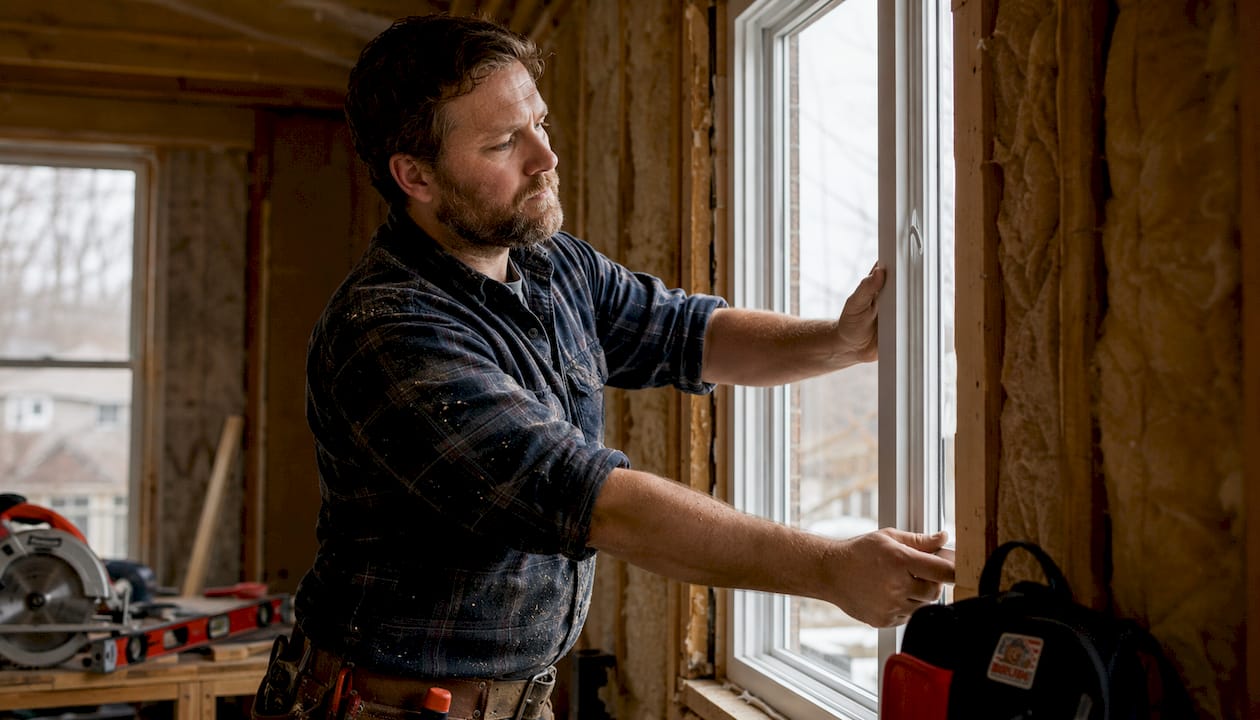
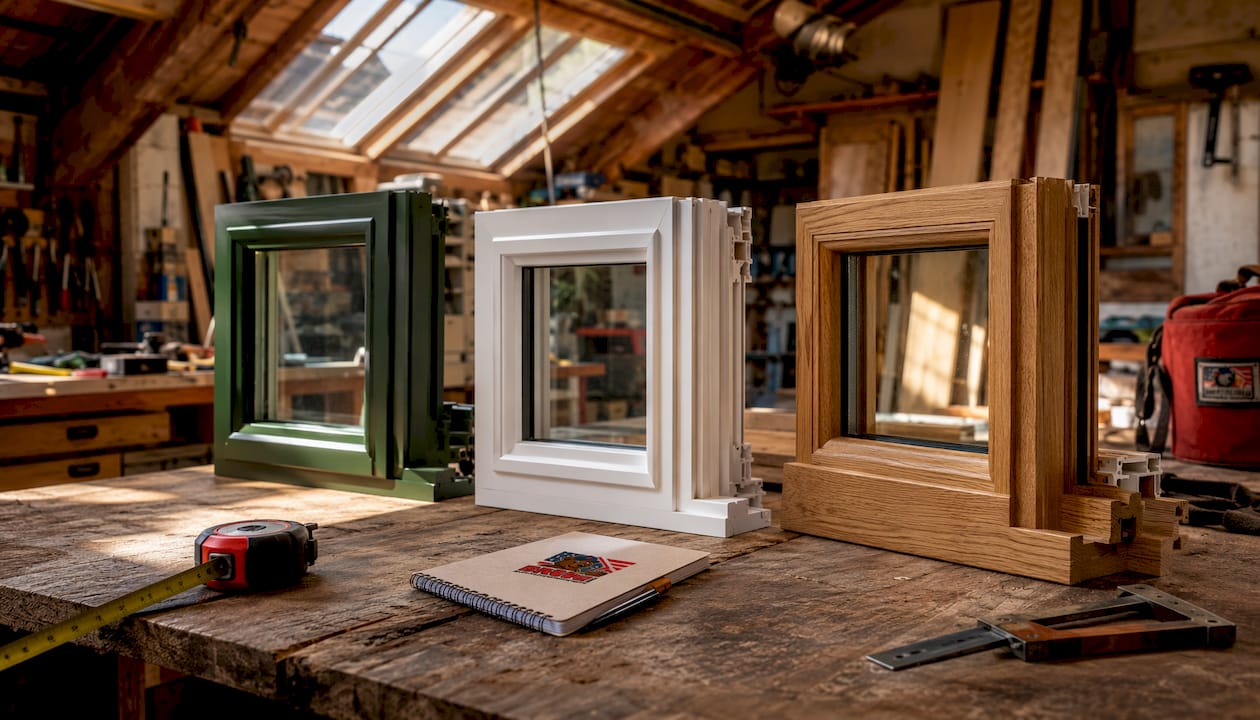
Frame material is the first decision that shapes everything else. Fiberglass and composite frames handle New England’s freeze-thaw cycles better than most alternatives, resisting warping and maintaining their seal over decades. Vinyl frames cost less upfront and perform well, though they expand and contract more with temperature swings. Wood frames look beautiful but require repainting every few years and are vulnerable to moisture if not maintained carefully.
| Feature | What to Look For | Why It Matters in MA |
|---|---|---|
| U-Factor | 0.27 or lower | Limits heat loss through cold winters |
| SHGC (south-facing) | 0.40 or higher | Captures passive solar heat gain |
| SHGC (north/east/west) | 0.25 or lower | Reduces summer overheating |
| Glass type | Double or triple pane with Low-E coating | Reduces radiant heat loss |
| Gas fill | Argon or krypton | Improves insulating performance |
| Frame material | Fiberglass or composite | Durability in freeze-thaw conditions |
Common window styles each have a practical case for Plainville homes. Double-hung windows suit most rooms and allow top-sash ventilation that pushes warm air out in summer. Casement windows seal tighter than double-hung when closed, which matters on the north and west sides of a house where wind-driven cold air is most aggressive. Picture windows maximize passive solar gain on south-facing walls and have no moving parts to fail.
- Look for the ENERGY STAR “Most Efficient” designation, not just the basic ENERGY STAR label, to qualify for Mass Save’s $75-per-window rebate.
- Ask your contractor to confirm the NFRC label matches the Northern Region specs before ordering.
- Triple-pane glass adds cost but delivers meaningful performance gains on north-facing walls where heat loss is highest.
How to improve existing windows without replacing them
Full replacement is not always the right first move. Research comparing retrofit options to new windows found that exterior storm windows, interior window panels, and insulating cellular shades can achieve energy savings within the range of high-performance replacement windows at a fraction of the cost. For Plainville homeowners with structurally sound frames, these upgrades deserve serious consideration.
1. Replace weatherstripping on every operable sash
Old foam or felt weatherstripping compresses over time and stops sealing. Replace it with V-strip (tension seal) weatherstripping along the sides of sashes and door-style compression strips at the top and bottom rails. This is a Saturday-morning project that costs under $30 per window and eliminates the drafts most homeowners blame on the glass itself.
2. Recaulk the exterior perimeter
Caulk between the window frame and siding cracks within five to ten years in New England’s climate. Scrape out the old material, clean the joint, and apply a paintable silicone-latex caulk rated for exterior use. Pay particular attention to the corners and the joint where the sill meets the siding.
3. Add interior or exterior storm windows
A quality storm window adds a second air gap that dramatically cuts heat loss. Exterior storm windows work on any existing window style. Interior storm panels, sometimes called “window inserts,” are nearly invisible from outside and can be removed in summer. Both options outperform most window films in cold climates.
4. Apply Low-E window film to south-facing glass
Low-E film reduces UV transmission and some heat loss, but use it carefully in Massachusetts. On south-facing windows, a film with a low SHGC will block the winter solar gain you actually want. Choose a film designed for cold climates that preserves solar heat gain while reducing UV damage to floors and furniture.
5. Repair or replace sash hardware
A sash that does not close fully because of a broken lock or worn cam hardware leaks air constantly. Replacement hardware for most double-hung and casement windows costs $15–$40 and takes under an hour to install.
6. Paint and trim for aesthetics and protection
Peeling paint on wood frames is not just cosmetic. Bare wood absorbs moisture, swells, and eventually rots. Scrape, prime, and repaint wood frames every five to seven years. Adding new interior casing or exterior brick molding refreshes the look of an older window without touching the glass.
Permits and code requirements for Plainville window upgrades
Window replacement in Massachusetts is not a permit-free project in most cases. Under 780 CMR Section 105.1, any installation, removal, or reconfiguration of a window requires a building permit, and Plainville enforces this through the town’s building department. Unpermitted work creates problems at resale and can void your homeowner’s insurance coverage for related claims.
Massachusetts building code requires that replacement windows comply with specific energy efficiency and safety standards even when installed within existing frames. Permits are not just paperwork. They trigger an inspection that confirms your new windows meet egress, fall prevention, and energy code requirements.
Key code requirements Plainville homeowners need to know:
- Emergency escape openings: Replacement windows in sleeping rooms must not significantly reduce the existing opening size. The Massachusetts Residential Code sets a minimum net clear opening of 3.3 square feet for egress windows.
- Fall prevention devices: When a replacement window’s sill sits less than 24 inches above the finished floor in a one or two-family home, ASTM F2090-compliant fall prevention or window control devices are required by Massachusetts code.
- Energy compliance: Even insert (pocket) replacements must meet the energy efficiency standards set by the Massachusetts Existing Building Code for the Northern Climate Zone.
- Lead paint disclosure: Homes built before 1978 require lead-safe work practices during any window replacement, per EPA rules.
For guidance on how these codes apply to specific project scopes, Bruin Corp of Attleboro has published a detailed breakdown of Massachusetts window codes that walks through permit triggers and inspection requirements.
Expert advice from Bruin Corp of Attleboro for Plainville homeowners
Bruin Corp of Attleboro brings over 40 years of exterior remodeling experience and more than 11,000 completed projects across Massachusetts and Rhode Island. That depth of local work means their installation teams know Plainville’s building department, understand the climate demands on window seals and frames, and have seen firsthand what separates a window that performs for 30 years from one that fails in five.
Proper window installation that integrates air sealing and insulation is critical to maximizing energy savings beyond just the window unit choice. A premium window installed without attention to the rough opening, flashing, and perimeter seal will underperform a mid-grade window installed correctly.
Bruin Corp specialists consistently recommend that Plainville homeowners treat window upgrades as part of a broader whole-house energy strategy. Air sealing and attic insulation often deliver larger energy savings than window replacement alone in older Massachusetts homes, and Mass Save actually requires those improvements before releasing window rebates in many cases.
Practical guidance from Bruin Corp’s installation professionals:
- Combine upgrades when possible. Replacing windows while also addressing attic air sealing and insulation maximizes the payback on both investments. Attic venting improvements, including proper attic ventilation, work alongside window upgrades to regulate indoor temperatures year-round.
- Choose insert vs. full-frame based on frame condition. If the existing frame shows no rot or moisture damage, a pocket replacement preserves the interior trim and costs less. Rotted or warped frames require full-frame replacement.
- Finance the project. Bruin Corp offers financing options that let homeowners spread the cost of a full window upgrade without depleting savings, making it practical to do all windows at once and capture the volume efficiency of a single mobilization.
- Get the Mass Save assessment first. The Home Energy Assessment through Mass Save verifies which windows qualify for rebates and may require air sealing upgrades before window incentives are released.
For Plainville homeowners ready to move forward, Bruin Corp of Attleboro handles the full project from permit application through final inspection, with specialized window installation services covering casement, double-hung, picture, and specialty windows.
Ready to upgrade your Plainville home’s windows with a team that knows Massachusetts code and climate? Contact Bruin Corp of Attleboro for a free consultation and financing options tailored to your project.
Key Takeaways
Upgrading windows in Plainville, MA delivers the best results when you match window performance specs to Massachusetts climate zones, pull the required permits, and pair the project with air sealing for maximum energy savings.
| Point | Details |
|---|---|
| Prioritize U-Factor and SHGC | Target U-Factor 0.27 or lower; match SHGC to window orientation for year-round comfort. |
| ENERGY STAR savings are real | Replacing single-pane windows with ENERGY STAR Most Efficient models saves $101 to $583 annually in Massachusetts. |
| Permits are required | Massachusetts 780 CMR Section 105.1 mandates building permits for window replacement in most cases. |
| Retrofits can rival replacements | Exterior storm windows and interior panels can match the energy savings of new windows at lower cost. |
| Air sealing comes first | Mass Save requires a Home Energy Assessment and may mandate air sealing before releasing window rebates. |
FAQ
How much does window replacement cost in Massachusetts?
Window replacement in Massachusetts runs $3,500 to $10,000 for a typical 10-window project, with a mid-range average of $6,000. Per-window costs range from $350 to $1,000, with Northeast labor markets running 15–25% above the national average.
Do you need a permit to replace windows in Plainville, MA?
Yes, in most cases. Massachusetts building code under 780 CMR Section 105.1 requires a permit for window installation, removal, or reconfiguration. Plainville enforces this through its local building department, and unpermitted work can create problems at resale.
What is the current trend in residential window upgrades?
The clearest trend is toward ENERGY STAR Most Efficient certified windows with triple-pane glass and fiberglass or composite frames, driven by rising energy costs and the availability of Mass Save rebates and federal tax credits for qualifying products.
What window features matter most for cold New England winters?
A low U-Factor (0.27 or below) and proper SHGC selection based on window orientation are the two most important performance metrics for Massachusetts homes. Argon gas fills and Low-E coatings add meaningful insulating performance on top of those baseline specs.
Can I improve my windows without replacing them?
Yes. Weatherstripping, exterior storm windows, interior window panels, and recaulking can deliver energy savings comparable to new replacement windows at significantly lower cost, particularly for homes with structurally sound existing frames.