


Replacement window styles are the distinct designs and operating mechanisms available when upgrading your home’s windows for better performance, appearance, and energy savings. The types of replacement window styles you choose directly affect your heating and cooling bills, your home’s curb appeal, and how easy your windows are to use every day. From double-hung windows that fit nearly any home to casement windows with compression seals that outperform every other style on energy efficiency, the options in 2026 are more refined than ever. This guide covers every major style, compares costs and energy ratings, and helps you match the right window to every room.
1. What are the most popular types of replacement window styles?
Replacement windows fall into eight core styles. Each has a distinct operating mechanism, visual profile, and best use case.
- Double-hung windows have two sashes that slide vertically. Both sashes tilt inward for cleaning, which is why double-hung windows hold approximately 60% market share in U.S. residential replacements as of 2026. That dominance reflects their versatility across Colonial, Craftsman, and farmhouse architecture.
- Single-hung windows operate the same way but only the bottom sash moves. They cost less than double-hung units but are harder to clean on upper floors.
- Casement windows swing outward on a side hinge, operated by a hand crank. The crank mechanism makes them the most energy efficient style because the sash presses tightly against the frame when closed, creating a compression seal no sliding window can match.
- Awning windows hinge at the top and open outward from the bottom. They shed rain when open, making them ideal for bathrooms and basements where ventilation matters even in wet weather.
- Sliding windows glide horizontally on a track. They work well in wide, low openings but sacrifice some energy performance because the sash never compresses against the frame.
- Picture windows are fixed and do not open. They maximize glass area and natural light but provide zero ventilation on their own.
- Bay windows project outward from the wall at angles, typically combining a large center picture window with two flanking units at 30 or 45 degrees. They add interior floor space and architectural character.
- Bow windows follow the same concept as bay windows but use four or more equal-sized units arranged in a gentle curve.
Pro Tip: If you are replacing windows in a two-story home, prioritize double-hung or casement styles on upper floors. Both allow you to clean the exterior glass from inside the room, which eliminates ladder work entirely.
2. How do different replacement window styles compare in energy efficiency and cost?
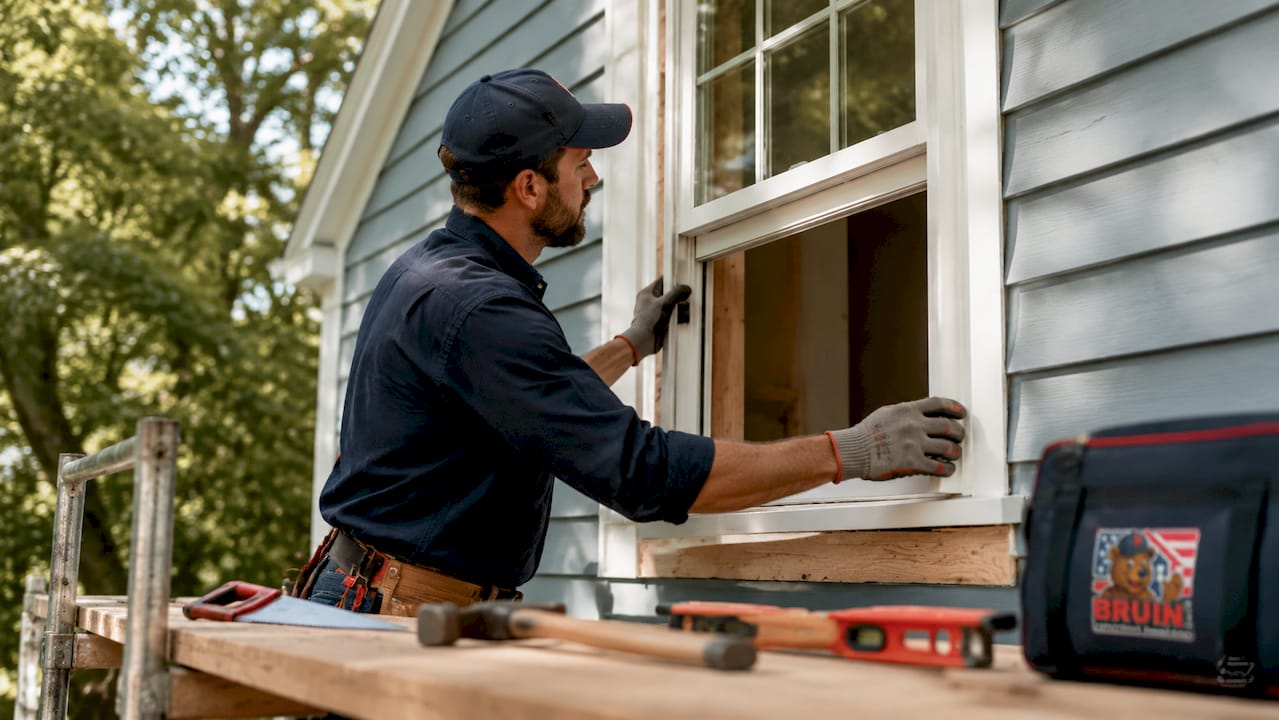
Energy performance and installed price vary significantly across window styles, and both factors should drive your decision before aesthetics do.
Energy efficiency by style
Casement windows carry the tightest compression seal of any operable style. When the crank pulls the sash flush against the weatherstripping, air infiltration drops to near zero. Sliding windows and single-hung windows rely on a track-based seal that allows more air movement over time.
Glass package matters as much as style. Triple-pane windows improve energy efficiency but cost 10–30% more than double-pane equivalents. In Massachusetts and Rhode Island winters, that premium pays back through lower heating bills, especially when combined with a casement or awning style that already minimizes air leakage.
For south and west-facing windows, target a Solar Heat Gain Coefficient of 0.25 or lower. A low SHGC blocks summer solar heat before it enters the room, reducing the load on your air conditioning. Pairing a low-SHGC glass package with solar shades adds another layer of heat control without blocking the view entirely.
Cost comparison by style
| Window style | Installed cost per unit |
|---|---|
| Double-hung | $400–$900 |
| Casement | $430–$1,060 |
| Sliding | $350–$800 |
| Picture | $300–$700 |
| Bay or bow | $1,500–$4,000 |
Installed cost ranges for double-hung and casement windows reflect differences in materials, glass packages, and local labor markets. Bay and bow windows carry higher costs because they require structural framing work and custom rooflines.
Pro Tip: Ask your installer for the U-factor, not just the Energy Star label. A U-factor of 0.27 or lower is the threshold for cold-climate performance in New England. The label alone does not tell you how the window performs in a Massachusetts winter.
3. Which window styles work best for different rooms and home architectures?
Matching window style to room function is the step most homeowners skip. The result is a kitchen that gets no cross-breeze or a living room with a beautiful view blocked by a sash rail.
Room-by-room recommendations
- Kitchen: Casement windows above the sink are the professional standard. You can open them with one hand while your other hand is full, and they direct outdoor air directly across the cooking area. Casement windows are superior for rooms where airflow and ease of operation matter most.
- Bathroom: Awning windows placed high on the wall provide privacy and ventilation simultaneously. They stay open during rain, which is exactly what a bathroom needs after a shower.
- Living room: A large picture window centered on the main wall maximizes the view and natural light. Flank it with two casement or double-hung units to add ventilation without breaking the visual line.
- Bedroom: Double-hung windows are the default choice. Both sashes open, which lets you control airflow from the top or bottom depending on the season.
- Basement: Awning or hopper windows (which hinge at the bottom and open inward) fit narrow basement openings and meet egress code requirements in finished spaces.
- Home office: Fixed picture windows on north-facing walls deliver consistent, glare-free daylight. Pair with a small casement on an adjacent wall for fresh air.
Architectural compatibility
Mixing window styles by room maximizes function and aesthetics when the exterior profile stays consistent. Traditional Colonial and Cape Cod homes read best with double-hung windows throughout, with matching grille patterns. Modern farmhouse designs pair well with black-framed casements and picture windows. Contemporary homes with flat or shed roofs suit large fixed windows and horizontal sliders that echo the building’s geometry.
Homeowners increasingly prefer dark-colored frames in black and dark bronze, especially against light siding. That contrast reads as intentional and architectural rather than accidental.
4. What installation and frame material options affect your window style choice?
The installation method and frame material you choose shape what styles are available to you, how long the windows last, and what they cost to maintain.
Pocket replacement vs. full frame replacement
Pocket replacement inserts a new window unit into the existing frame, saving time and cost but slightly reducing the glass area. This method works when the existing frame is structurally sound and square. Full frame replacement tears out the entire assembly down to the rough opening. It costs more but gives you access to the full opening size and lets you switch to a wider or taller style.
Full frame replacement also uncovers hidden wood rot or damage that pocket replacements can miss. If your home has wood frames older than 20 years, a full frame inspection is worth the added cost. Discovering rot after installation is far more expensive than finding it during the project.
Frame material comparison
- Vinyl: The most common frame material in replacement projects. Vinyl is budget-friendly, requires no painting, and resists moisture. It does expand and contract with temperature changes, which can stress seals over time in extreme climates.
- Fiberglass: Fiberglass frames offer better thermal expansion control and longer service life than vinyl. The thermal expansion coefficient of fiberglass closely matches glass, which reduces stress on the window seal and extends the life of inert gas fills in double-pane and triple-pane units.
- Wood and wood-clad: Wood frames deliver the best interior appearance and are preferred for historic renovations and upscale remodels. They require periodic painting or staining and are vulnerable to moisture if not maintained. Wood-clad frames add an aluminum or vinyl exterior shell to reduce maintenance while keeping the wood interior.
- Aluminum: Aluminum frames are strong and slim, which maximizes glass area. They conduct heat and cold readily, making them a poor choice for energy-conscious homeowners in New England without a thermal break built into the frame.
- Composite: Composite frames blend wood fiber and PVC. They resist rot and moisture like vinyl but hold paint like wood, making them a strong middle-ground option for homeowners who want low maintenance with a traditional look.
For more on why wood frames eventually need professional attention, the wood frame replacement guide at Bruin Corp of Attleboro covers the warning signs in detail. Proper window caulking for different frames also plays a role in long-term performance regardless of material.
| Frame material | Maintenance level | Thermal performance | Relative cost |
|---|---|---|---|
| Vinyl | Low | Good | $ |
| Fiberglass | Low | Excellent | $$$ |
| Wood | High | Good | $$$$ |
| Wood-clad | Medium | Good | $$$ |
| Aluminum | Low | Poor without thermal break | $$ |
| Composite | Low | Very good | $$$ |
Key takeaways
The best replacement window style balances energy efficiency, room function, and frame material to deliver lasting comfort and value in your specific home.
| Point | Details |
|---|---|
| Double-hung dominates the market | Double-hung windows hold 60% U.S. market share because they fit nearly every architectural style and room. |
| Casement windows lead on efficiency | The compression seal in casement windows outperforms every other operable style for air infiltration control. |
| Glass package drives energy savings | Triple-pane glass costs 10–30% more but delivers measurable performance gains in cold New England climates. |
| Match style to room function | Casements work best in kitchens and bathrooms; picture windows suit living rooms when flanked by operable units. |
| Frame material affects longevity | Fiberglass frames last longer and maintain seal integrity better than vinyl in extreme temperature swings. |
Ready to replace your windows? Bruin Corp of Attleboro can help
Bruin Corp of Attleboro has completed over 11,000 home exterior projects across Massachusetts and Rhode Island, with more than 40 years of family-owned experience behind every installation. Whether you are choosing between casement and double-hung windows, selecting a frame material, or planning a full exterior upgrade, the team at Bruin Corp brings the expertise to get it right the first time.
From energy-efficient window options to specialty and custom styles, Bruin Corp of Attleboro carries the full range of replacement window options for New England homes. Visit bruincorp.com to explore styles, request a free estimate, or schedule a consultation with a window specialist who knows Massachusetts and Rhode Island homes inside and out.
FAQ
What are the most common replacement window styles?
Double-hung windows are the most common replacement window style, holding approximately 60% of the U.S. market. Casement, sliding, awning, and picture windows round out the most frequently installed options.
Which window style is the most energy efficient?
Casement windows are the most energy-efficient operable style because their compression seal eliminates air gaps when closed. Pairing any style with triple-pane glass and a low U-factor rating improves performance further.
How much do replacement windows cost per unit?
Installed costs range from $400–$900 for double-hung windows and $430–$1,060 for casement windows, depending on frame material, glass package, and local labor rates.
What is the difference between pocket replacement and full frame replacement?
Pocket replacement fits a new window into the existing frame and costs less, while full frame replacement removes the entire assembly and is required when rot or structural damage is present.
Does window frame material affect energy efficiency?
Fiberglass frames perform best for long-term energy efficiency because their thermal expansion rate matches glass, protecting the seal on double-pane and triple-pane units over time.