


Proper window installation is the single most important factor in whether a new window performs as promised. The window product itself matters, but installation quality determines whether you get the energy savings, comfort, and protection you paid for. Windows account for 25–30% of home heating and cooling energy use, according to the U.S. Department of Energy. That number only improves when windows are installed correctly. This guide explains why proper window installation matters, what can go wrong, and how to protect your investment from day one.
Why proper window installation matters for energy efficiency
A poorly installed window wastes energy no matter how high its efficiency rating. The thermal envelope of your home depends on an unbroken barrier between conditioned indoor air and the outside. When that barrier has gaps, your HVAC system works harder to compensate.
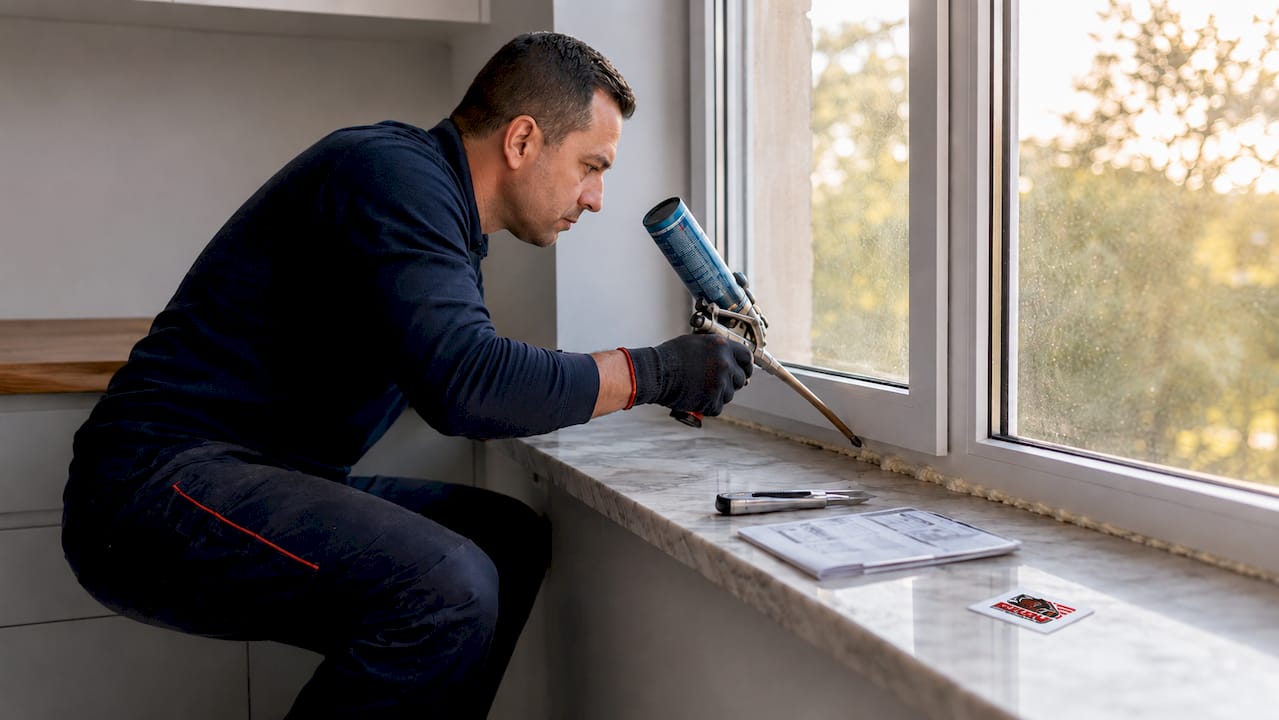
Airtight sealing with low-expansion foam and precise shimming prevents drafts and uneven indoor temperatures. Low-expansion foam fills the gap between the window frame and the rough opening without putting pressure on the frame. Standard expanding foam, by contrast, can push against the frame and cause subtle distortions that let air pass through.
Shimming is equally critical. Shims hold the window level and square inside the opening. When shims are placed incorrectly or spaced too far apart, the frame can flex under pressure. That flex creates micro-gaps at the corners where air and moisture enter.
- Gaps around the frame allow conditioned air to escape and outdoor air to infiltrate, raising heating and cooling costs.
- Improper sealing creates cold spots near windows in winter, making rooms feel uncomfortable even when the thermostat is set correctly.
- Frame distortion from incorrect shimming causes the sash to bind or fail to close fully, leaving a permanent air leak.
- Missing or inadequate flashing tape at the head of the window lets wind-driven rain push water behind the casing, where it evaporates and carries heat with it.
Pro Tip: Ask your installer specifically what foam product they use. Low-expansion foam designed for windows and doors is the correct choice. Standard “Great Stuff” or general-purpose foam expands too aggressively and can bow the frame.
The correct installation creates an airtight seal that keeps indoor temperatures consistent and reduces the load on your heating and cooling system. That translates directly into lower utility bills every month.
How does window installation protect against moisture damage?
Water intrusion is the most destructive consequence of poor window installation. It does not announce itself immediately. Moisture works silently behind walls for months or years before rot, mold, or structural damage becomes visible.
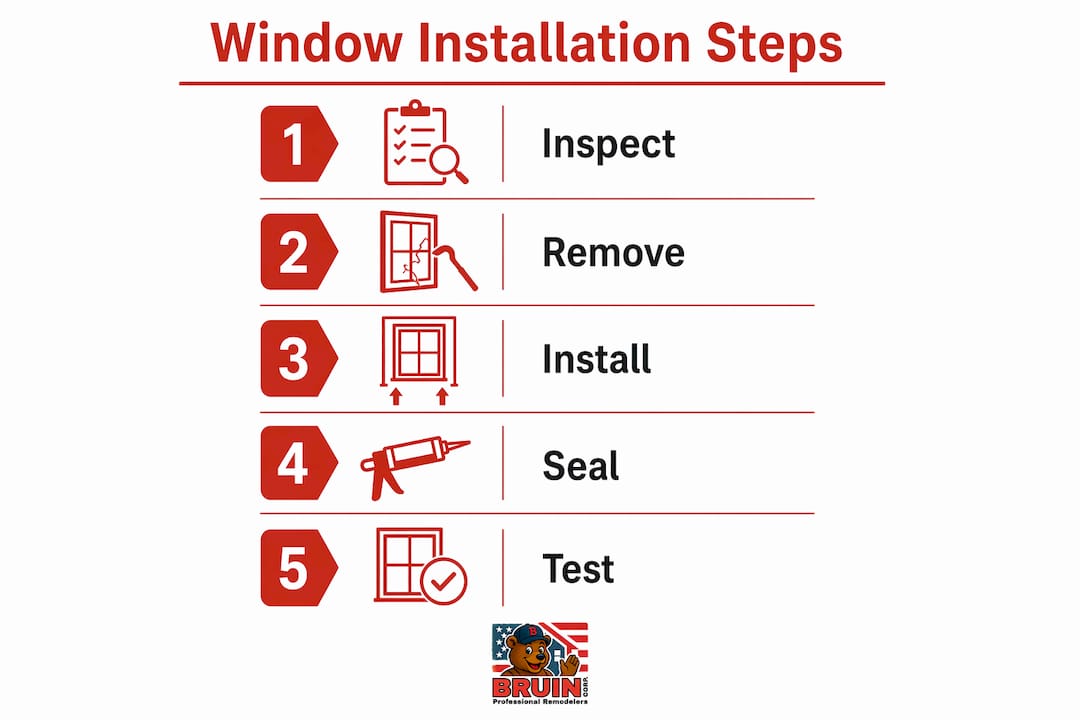
The industry standard technique is shingle-lap flashing applied from the bottom up. Each layer of flashing overlaps the one below it, just like roof shingles, so water always flows over the assembly rather than behind it. Skipping this sequence or applying flashing in the wrong order creates a pocket where water collects against the wall.
One detail that separates experienced installers from inexperienced ones is the bottom flange. The bottom flange must remain unsealed to allow any water that breaches the flashing to drain freely. Sealing the bottom flange traps that water inside the wall cavity. Over time, trapped moisture rots the rough sill and the surrounding framing.
- Inspect the rough opening before the new window goes in. Look for soft wood, discoloration, or existing mold. Damaged framing must be replaced before installation proceeds.
- Apply sill pan flashing first. This is the foundation of the moisture management system. It directs any water that gets past the window toward the exterior.
- Install side flashing next, lapping over the sill pan on both sides.
- Set the window and secure it, then apply head flashing last, lapping over the side flashing.
- Leave the bottom flange open. Do not caulk or tape across the bottom of the window’s nailing flange.
Pro Tip: If you are replacing windows in an older home, ask your contractor whether they plan a full-frame replacement or an insert install. Insert replacements can hide latent issues like rotted framing or misaligned drainage that cause serious problems 3–7 years later.
Retrofit insert windows preserve the existing frame. That saves time and cost, but it also means any existing rot or drainage problem stays hidden inside the wall. Full-frame replacement exposes the rough opening completely, allowing a thorough inspection before the new window goes in.
What are the most common window installation mistakes?
Most window failures trace back to a short list of installation errors. Knowing what they are helps you ask the right questions before work begins.
- Damaged nailing flanges. Bent or cracked flanges prevent proper flashing contact and create gaps that let water in. They also void the manufacturer’s warranty. Flanges get damaged during delivery or rough handling on the job site. Inspect every window before it goes into the wall.
- Ignoring manufacturer instructions. Every window brand publishes specific installation requirements. Failure to follow them voids warranties and causes premature failure. An installer who skips the manual is gambling with your money.
- Over-shimming or using the wrong foam. Excessive shimming and standard expanding foam can bow the frame and cause the sash to bind, stick, or fail to latch properly.
- Skipping the level and square check. A window that is not perfectly plumb and square will not operate correctly. It will also create uneven gaps around the frame that are difficult to seal.
| Mistake | Consequence |
|---|---|
| Damaged nailing flange | Water infiltration, voided warranty |
| Wrong expanding foam | Frame distortion, binding sash |
| Unsealed head flashing | Water behind wall, rot |
| Sealed bottom flange | Trapped moisture, structural rot |
| Out-of-square installation | Operational failure, air leaks |
The pattern across all these mistakes is the same. Shortcuts that save 20 minutes during installation create problems that cost thousands of dollars to fix years later.
How do you choose the right window installation professional?
The window product and the installer are equally important. A high-performance window installed by an inexperienced crew delivers poor results. A skilled installer working with a mid-range window will outperform that combination every time.
Professional installation following AAMA and ASTM standards specifies precise flashing, fastening, and sealing techniques. AAMA is the American Architectural Manufacturers Association. ASTM International sets material and performance standards. Contractors who reference these standards by name understand what correct installation looks like.
Ask any prospective installer these questions before signing a contract. Do they perform full-frame replacement when the existing frame shows any sign of damage? Do they use window-specific low-expansion foam? Do they follow the manufacturer’s printed installation instructions for each product? Do they leave the bottom flange unsealed? The answers tell you whether they understand the details that matter.
Full-frame window replacement is the better choice for older homes or any situation where the existing frame’s condition is unknown. It costs more upfront but eliminates the risk of hidden moisture damage compounding inside the wall.
Pro Tip: Request a written warranty that covers both the product and the labor. A manufacturer warranty only covers the window itself. If the installation fails, you need the contractor’s warranty to cover the repair cost. Bruin Corp of Attleboro backs both the product and the workmanship on every project.
Look for contractors with a documented track record. Bruin Corp of Attleboro has completed over 11,000 projects across Massachusetts and Rhode Island over more than 40 years. That volume of work means their crews have encountered and solved every installation challenge a New England home presents. You can explore their window installation services to see the full range of options available.
For homeowners weighing whether replacement is the right move, the reasons to replace home windows go well beyond aesthetics. Energy savings, comfort, and structural protection all depend on getting the installation right from the start.
Key takeaways
Proper window installation protects your home’s energy efficiency, structural integrity, and long-term value in ways the window product alone cannot.
| Point | Details |
|---|---|
| Energy loss starts at installation | Windows account for 25–30% of heating and cooling energy use; correct sealing closes that gap. |
| Flashing sequence prevents rot | Shingle-lap flashing from bottom up keeps water flowing out, not into your walls. |
| Bottom flange must stay open | Sealing the bottom flange traps water and causes structural rot over time. |
| Common mistakes void warranties | Damaged flanges, wrong foam, and skipped instructions all void manufacturer coverage. |
| Full-frame beats insert for older homes | Full-frame replacement exposes hidden damage that insert installs leave behind. |
Bruin Corp of Attleboro: professional installation done right

Bruin Corp of Attleboro has spent over 40 years installing windows across Massachusetts and Rhode Island, following AAMA and ASTM standards on every project. Their crews use window-specific low-expansion foam, proper shingle-lap flashing, and manufacturer-approved fastening techniques on every job. With more than 11,000 completed projects, they have the experience to handle full-frame replacements, specialty windows, and everything in between. Every installation comes backed by both product and labor warranties, so you are covered if anything goes wrong. If you are ready to protect your home with a properly installed, energy-efficient window replacement, contact Bruin Corp of Attleboro today for a free consultation.
FAQ
Why does installation quality matter more than the window itself?
Window performance depends on installation quality more than the product rating. Even a top-rated window leaks air and water if the flashing, sealing, and shimming are done incorrectly.
What is the biggest risk of poor window sealing?
Poor sealing allows moisture to enter the wall cavity, causing rot and mold that can remain hidden for years. The bottom flange left unsealed is a critical drainage detail that many installers miss.
Should I choose full-frame replacement or an insert window?
Full-frame replacement is the better choice when the existing frame’s condition is unknown or the home is older. Insert installs can preserve hidden rotted framing that causes structural damage 3–7 years after installation.
Can improper shimming really damage a window?
Yes. Over-shimming or using standard expanding foam bows the frame and causes the sash to bind, stick, or fail to close properly, creating a permanent air leak.
What standards should a professional window installer follow?
Look for installers who follow AAMA and ASTM standards, use manufacturer-specific installation instructions, and provide both product and labor warranties. Bruin Corp of Attleboro meets all three criteria on every window replacement project they complete.
Recommended
- Why Should I Replace My Home Windows? – Bruin Corporation of Attleboro
- Why You Need to Fix Your Windows Before the Winter Chill Hits – Bruin Corporation of Attleboro
- Window Installation Best Practices for Lasting Results
- Do You Know When It’s Time Replace Your Windows? Use These Simple Tips, Before It’s Too Late! – Bruin Corporation of Attleboro