


Avoiding the most common window replacement mistakes is the fastest way to protect your home from energy loss, moisture damage, and wasted money. Measurement errors, flashing failures, and poor product selection are the three categories that cause the most expensive callbacks and repairs. Homeowners who understand these pitfalls before they start a project save thousands and end up with windows that perform for decades. This guide covers every major window replacement pitfall, from rough opening measurements to permit compliance, so you can make decisions with confidence.
1. What are the most common window replacement mistakes to avoid?
Measurement errors are the most frequent window replacement mistakes, and they happen before a single window is ordered. Measuring at multiple points across the width and height of the rough opening is the only way to catch out-of-square frames. You measure width at the top, middle, and bottom, and height on the left, center, and right. The smallest measurement in each direction determines your window size.
Older homes rarely have perfectly square or plumb rough openings. Professional installers measure multiple points and shim openings to maintain squareness and level before the window goes in. Skipping this step causes sashes to stick, seals to fail, and gaps to form along the frame edges.
There is also a critical difference between the frame measurement and the structural rough opening. Ordering a window sized to the frame without accounting for the rough opening leads to a unit that is too large to fit or too small to seal properly. You also need to allow for expansion gaps, especially with vinyl windows, which expand and contract with temperature changes.
- Measure width at three heights: top, middle, and bottom
- Measure height at three widths: left, center, and right
- Use the smallest measurement in each direction to size the window
- Add expansion gap allowances based on the window material
- Confirm the rough opening is plumb and square before ordering
Pro Tip: Dry fit the window in the opening before applying any sealant or fasteners. A five-minute check at this stage prevents a full reinstallation later.
2. How flashing errors destroy window performance
Improper flashing is the leading cause of window installation failure, producing hidden moisture damage and air leaks that can go undetected for years. Flashing is a waterproof barrier installed around the window perimeter to direct water away from the wall assembly. Without it, water follows the path of least resistance straight into the framing.
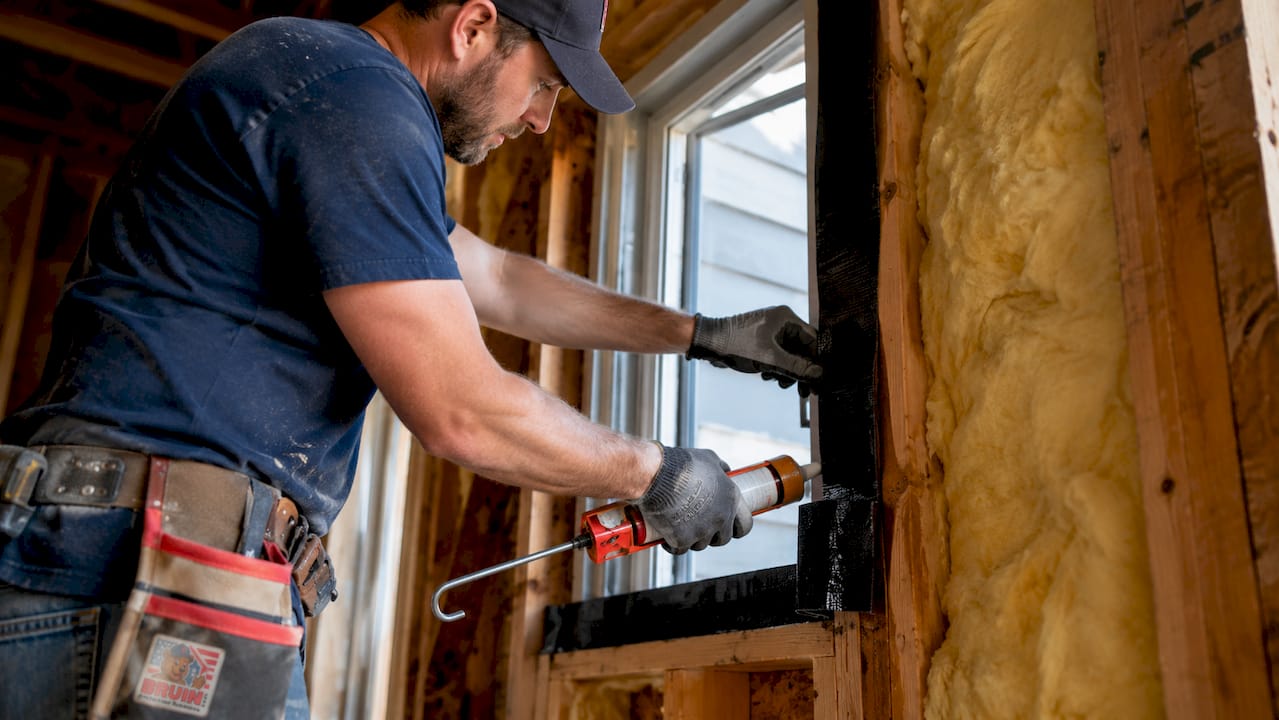
The most common flashing mistakes are missing the sill pan entirely, layering flashing in the wrong order, and using the wrong tape or membrane for the climate. Correct flashing runs from the sill up the jambs and over the head, with each layer overlapping the one below it like shingles. Reversing that order creates a pocket that traps water instead of shedding it.
Proper sealing and flashing quality matter more than window brand for long-term durability. A premium window installed with poor flashing will fail faster than a mid-range window installed correctly. Air sealing around the window with a low-expansion foam or backer rod also prevents drafts and reduces heating and cooling costs.
Skipping the sill pan flashing is the single most expensive shortcut in window installation. Water that enters at the sill sits on the rough framing and causes rot that can spread to the wall studs before any visible damage appears indoors.
- Missing sill pan flashing
- Incorrect layering order (head flashing installed before jamb flashing)
- Using standard tape in high-moisture climates without a self-adhering membrane
- Failing to seal the gap between the window frame and rough opening
- Installing an insert window over a damaged sill without full-frame replacement
Pro Tip: Ask your installer to confirm they follow the window manufacturer’s specified flashing sequence. Manufacturer specs exist because each window system is engineered for a particular installation method.
3. Choosing windows based only on price
The lowest bid often excludes proper permits, quality sealants, and warranties, turning a short-term saving into a long-term cost. A quote that looks attractive at signing frequently omits the labor and materials needed for correct flashing, air sealing, and trim work. You end up paying twice: once for the cheap job and again to fix it.
Expensive does not automatically mean better, either. A high-priced window installed without correct flashing or into an unleveled opening will underperform a mid-range product installed by a skilled crew. The real value equation is product quality plus installation quality, not price alone.
The table below shows the key specifications to compare when selecting replacement windows.
| Specification | What it measures | Why it matters |
|---|---|---|
| U-value | Rate of heat transfer through the window | Lower U-value means better insulation |
| Solar Heat Gain Coefficient (SHGC) | Amount of solar heat that passes through | Lower SHGC reduces cooling loads in warm climates |
| Visible Transmittance (VT) | Amount of natural light admitted | Higher VT means brighter interior spaces |
| Air Leakage Rating | Air infiltration through the window assembly | Lower rating means fewer drafts |
| Warranty length and transferability | Coverage period and resale value | Longer, transferable warranties protect your investment |
Focusing only on glass aesthetics while ignoring U-value ratings leads to poor insulation and higher utility bills. In Massachusetts and Rhode Island, where winters are cold and summers are humid, a low U-value and a climate-appropriate SHGC are the two numbers that matter most. Matching window style to your home’s architecture matters for curb appeal, but it should come after you have confirmed the thermal performance specs.
Pro Tip: Prioritize windows with a low U-value and a warranty that transfers to future owners. Both protect your investment whether you stay in the home or sell it.
4. Ignoring climate-specific performance requirements
Windows must be selected with climate-specific features like appropriate flashing systems and thermal performance metrics. A window rated for a mild Southern climate will underperform in New England winters, where temperature swings stress seals and frames repeatedly. Choosing the wrong product for your region is one of the most overlooked window replacement pitfalls.
In cold climates, triple-pane glazing and low-emissivity (low-e) coatings reduce heat loss through the glass. Low-e coatings reflect interior heat back into the room during winter while blocking solar heat gain in summer. The energy savings from correct U-values show up directly on utility bills, making the upfront cost difference between a standard and a high-performance window recoverable within a few years.
Frame material also affects thermal performance. Vinyl frames have low thermal conductivity, which means they do not transfer cold from outside to inside the way aluminum frames do. Fiberglass frames perform similarly to vinyl but handle larger spans without warping. Wood frames offer good insulation but require more maintenance in wet climates like coastal Massachusetts and Rhode Island.
You can explore energy-efficient window options to understand how the right product choice reduces heating and cooling costs year-round.
5. Skipping permits and ignoring HOA rules
Certain window replacements require building permits, especially when the window size or function changes. A straight like-for-like swap in the same opening may not trigger a permit requirement in many Massachusetts and Rhode Island municipalities. Enlarging an opening, adding an egress window in a bedroom, or changing a fixed window to an operable one almost always does.
Skipping a required permit creates real problems. Inspectors can order the work removed and redone at your expense. Unpermitted work also shows up during a home sale, where buyers and their lenders often require proof that renovations were properly permitted. The cost of pulling a permit is a fraction of the cost of a forced redo.
- Enlarging or shrinking the rough opening requires a permit in most jurisdictions
- Egress windows in bedrooms must meet minimum size requirements under building codes
- HOA rules may restrict window color, style, or grid pattern
- Some historic districts require approval before any exterior change
- Permit requirements vary by municipality, so confirm with your local building department
Ignoring warranty terms and transferability can cause unexpected repair costs after the project closes. Many warranties are voided by improper installation or by using materials not specified by the manufacturer. Read the coverage details, the exclusions, and the transferability clause before you sign a purchase order.
Pro Tip: Work with a contractor who handles permit applications as part of the project scope. A contractor who avoids permits is signaling that their work may not pass inspection.
6. Installing insert windows over damaged frames
Insert replacement windows on damaged sills or frames fail prematurely. Full-frame replacement allows structural repairs and modern flashing installation that an insert job cannot provide. An insert window slides into the existing frame, which saves time and cost but leaves any rot, damage, or out-of-square conditions in place.
The insert approach works well when the existing frame is solid, square, and free of moisture damage. When the frame shows soft spots, discoloration, or visible rot, a full-frame replacement is the correct choice. Covering a damaged frame with a new insert window traps moisture and accelerates the decay underneath.
Full-frame replacement also gives you the opportunity to upgrade the insulation in the rough opening cavity, add a proper sill pan, and install new exterior trim. These steps add cost but they are the only way to address underlying problems that will otherwise shorten the life of any window you install.
7. Overlooking window style compatibility with your home
Choosing a window style that clashes with your home’s architecture is a common mistake during a window upgrade that affects both resale value and curb appeal. A double-hung window suits colonial and traditional homes. A casement window fits craftsman and contemporary styles. Installing the wrong profile makes a home look mismatched from the street.
Grid patterns, exterior color, and hardware finish all contribute to the overall look. Many manufacturers offer custom color matches and grid configurations that align with specific architectural periods. Spending time on these details during the selection phase costs nothing but prevents a result you will regret every time you pull into the driveway.
Interior trim profiles should also match the existing millwork in the room. A window with a thick, traditional casing looks out of place in a modern interior with thin, flat trim. Your installer should walk you through the trim options before ordering, not after the window arrives.
Key takeaways
Avoiding window replacement mistakes requires accurate measurement, correct flashing, climate-matched product selection, and permit compliance before any work begins.
| Point | Details |
|---|---|
| Measure at multiple points | Measure width and height at three locations each to catch out-of-square openings before ordering. |
| Flashing is non-negotiable | Incorrect or missing flashing causes mold, rot, and structural damage regardless of window quality. |
| Match specs to your climate | U-value and SHGC ratings determine real-world energy performance in Massachusetts and Rhode Island winters. |
| Pull required permits | Unpermitted work creates fines, forced removal, and resale complications that cost far more than the permit fee. |
| Inspect the existing frame first | Install a full-frame replacement when the existing sill or frame shows any sign of rot or moisture damage. |
Work with Bruin Corp of Attleboro to avoid costly errors
Bruin Corp of Attleboro has completed over 11,000 projects across Massachusetts and Rhode Island, with more than 40 years of experience in window replacement and exterior remodeling. Their crews handle permit applications, use manufacturer-specified flashing methods, and measure every opening at multiple points before a single window is ordered.

Whether you need specialty custom windows for a unique opening or a full-home replacement with energy-efficient glazing, Bruin Corp of Attleboro manages every detail from product selection to final inspection. Contact Bruin Corp of Attleboro today to schedule a consultation and get a project plan that eliminates the guesswork from your window replacement.
FAQ
What is the most common window replacement mistake?
Measurement error is the most frequent mistake. Measuring at multiple points across the rough opening prevents gaps, poor fit, and air leaks caused by out-of-square frames.
Do I need a permit to replace windows?
A like-for-like replacement in the same opening may not require a permit, but enlarging an opening or adding an egress window almost always does. Check with your local building department before starting work.
Why does flashing matter so much in window installation?
Improper flashing leads to mold, rot, and structural damage that can remain hidden for years. Correct flashing directs water away from the wall assembly and is more important than window brand for long-term durability.
What window specs should I prioritize for energy efficiency?
U-value and Solar Heat Gain Coefficient are the two most important ratings. A low U-value reduces heat loss in winter, and a climate-appropriate SHGC controls solar heat gain in summer.
Should I choose an insert or full-frame window replacement?
Use a full-frame replacement when the existing sill or frame shows rot or moisture damage. Insert windows installed over damaged frames fail prematurely because the underlying structural problems remain unaddressed.
Recommended
- Window Installation Best Practices for Lasting Results
- 7 Common Myths About Window Replacement – Bruin Corporation of Attleboro
- Why Should I Replace My Home Windows? – Bruin Corporation of Attleboro
- Do You Know When It’s Time Replace Your Windows? Use These Simple Tips, Before It’s Too Late! – Bruin Corporation of Attleboro